


An energy island is an artificial platform placed on the seabed or floating, designed to serve as an energy hub. It allows:
- the collection of electricity produced by wind farms and other renewable energies, routed by submarine cables
- The storage (with different technologies considered: batteries, compressed air, pump-storage...)
- The transformation (combination of alternating current HVAC and DC HVDC); Power-to-X (electrolysers for green hydrogen, e-fuels, transportable heat, desalination...)
- redistribution to other islands or continents (interconnections) via other submarine cables
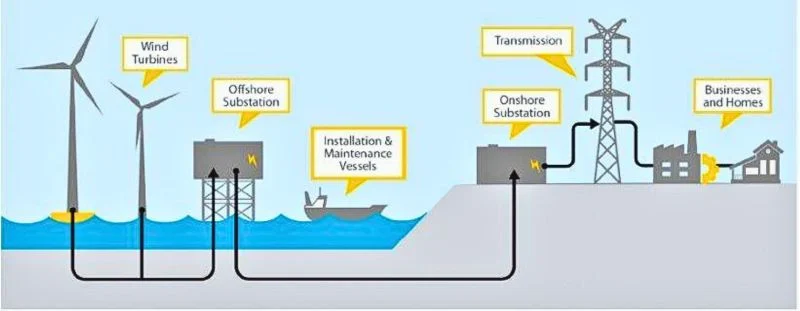
Fig 1: Operating principles. Source: eepower 2024

A plurality of objectives
The concept of energy island is directly linked to the deployment of floating wind farms and appears to be a solution for optimizing large-scale exploitation of offshore wind resources, especially in maritime areas where the depths make it difficult to install traditional foundations.
These maritime hubs could facilitate the connection of wind farms and other offshore renewable energies (floating PV, wave energy) to electrical networks by sharing submarine electricity transport infrastructures and by replacing multiple “point to point” connections with an optimized network between wind farms and continental coasts.
They would make it possible to secure energy supplies, reduce dependence on fossil fuels, optimize spatial influence, reduce costs and develop an industrial sector (qualified jobs, modularity, replicability, replicability, economies of scale).
Impressive challenges
The cost of an island is arguably the biggest challenge. And the current context (backlash on floating wind power, competition from solar, reinvestments in nuclear power...) complicates it. The construction of the island's “Legos”, their transport, assembly and installation, and then the commissioning and maintenance represent colossal investments, both in CAPEX and in OPEX, with risks (already proven) of budgetary excesses. Because energy islands are a concentrate of technologies. in the marine environment (up to extreme conditions) : durable materials that are resistant to marine corrosion, HVDC high-voltage submarine cables with minimal losses over long distances, electric hubs and smart grids (automated routing of electricity flows between countries according to needs and prices), advanced weather forecasting systems, management of intermittent energy production, management of intermittent energy production, use of drones (aerial and submarine), use of drones (aerial and submarine), advanced sensors and digital twins for inspection and maintenance... The establishment of an island also requires innovations in the mechanisms of financing and the distribution of costs and benefits.
Beyond the technical difficulties of integrating into the network, the creation of an island requires long and complex authorization and permit procedures, often under several jurisdictions. A geopolitical novelty, energy islands involve dealing with inadequate international maritime law and issues of sovereignty at sea (complex application of the United Nations Convention on the Law of the Sea with varying interpretations for Exclusive Economic Zones, harmonization of national maritime plans, etc.). Success depends largely on the ability of States to create a stable and effective framework for cooperation.
The environmental challenges (biodiversity, marine ecosystems, migration routes, etc.), societal acceptability (residents, other uses of the sea - fishing, transport, tourism...) and security (personnel and defense of strategic infrastructures) are no less challenging.
Princess Elisabeth, a pioneer project
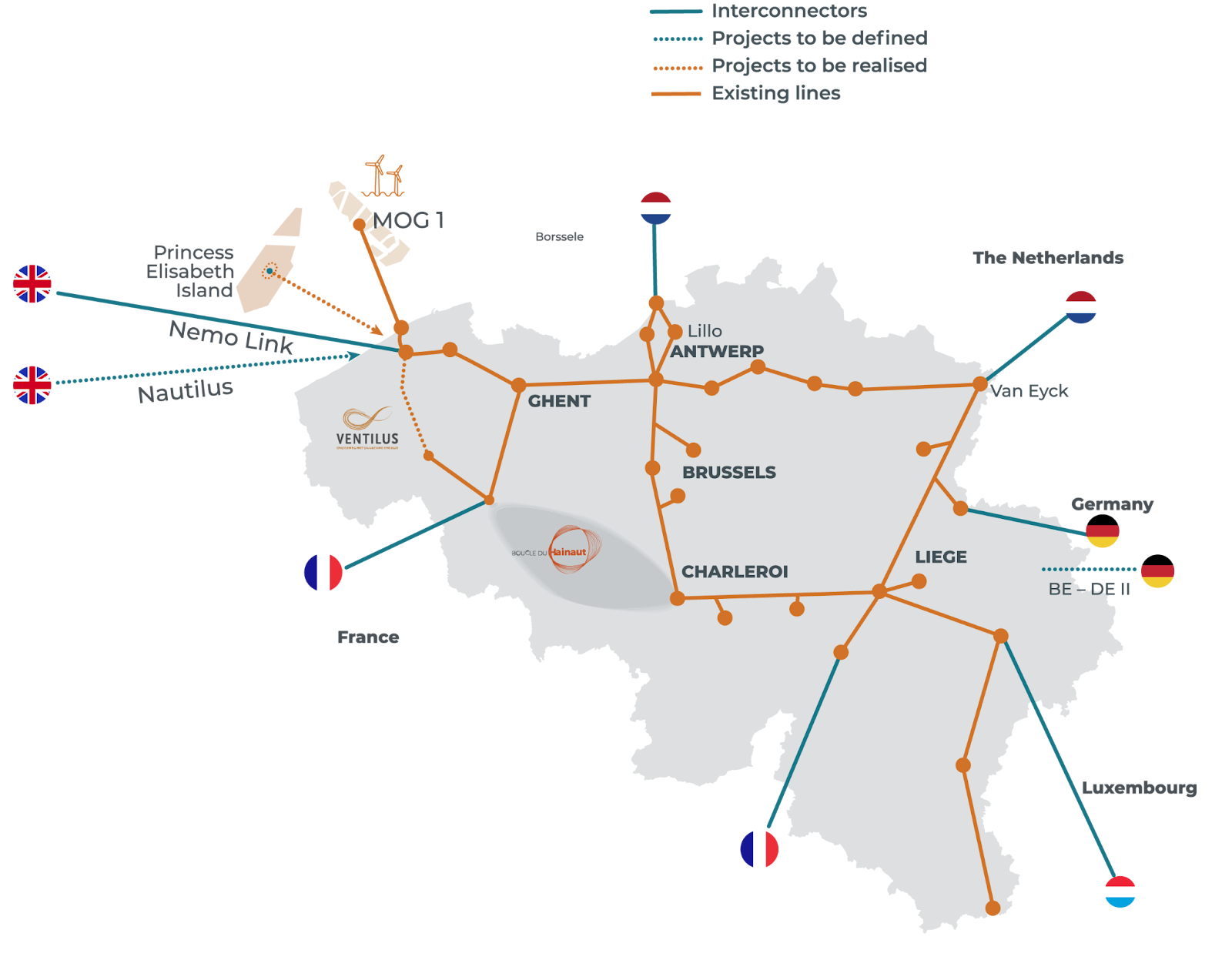
Fig 2: Princess Elizabeth Island and its onshore and offshore high-voltage network. Source: Elia 2025 Annual Report.
Princess Elisabeth Island, in the North Sea, 45 km from the Belgian coast, will be the world's first energy island.
Covering an area of 6 hectares, its outdoor enclosure includes 23 concrete boxes (58 m × 28 m × 32 m and 22,000 tons each). The first were delivered to site in spring 2025.. This enclosure, resting on the seabed (27 m deep), will be filled with 2.3 million m³ of sand extracted on site. The construction, entrusted by Elia (Belgian electricity grid operator) to the DEME-Jan De Nul consortium, is accompanied by measures to protect nature and biodiversity (“nature inclusive design”).
The island should be completed by the end of 2026, with the electrical infrastructure installed by 2027. It will bring together the cables of wind farms in the Princess Elisabeth zone (3.5 GW total) and will serve as a hub for future “hybrid” interconnections between Belgium, Denmark and the United Kingdom.
The evolution of the global budget (from €3.6 billion in 2023 to over €7 billion in spring 2025) threatened the project, however supported by the EIB and RepowerEU. At the beginning of June 2025, the Belgian federal government limited the possible drift in costs by: suspending the island's DC connection. Of Alternatives are being studied for a second interconnection with the United Kingdom.
Several other projects are under development (commissioning 2027-2035):
- in Europe, Denmark carries Energiø Nordsø (North Sea) and Bornholm Energy Island (Baltic, based on the natural island of Bornholm). North Sea Wind Power Hub, a Dutch-Danish-German consortium, is planning an archipelago of artificial islands in the North Sea to connect up to 100 GW of offshore wind power.
- in Asia, South Korea is developing Jeju Energy Islands, China: several offshore energy hub projects.
Photo Credit: Elia Group 2025